
TIRANA MEDICAL GUIDE · IMPLANT DENTISTRY
Delaying dental implants: what are the risks?
When a tooth is missing or the mouth is already compromised, doubts are normal. Some people delay treatment because of fear, cost or because nothing hurts. The point is not to rush into surgery: it is to understand what may change while you wait.
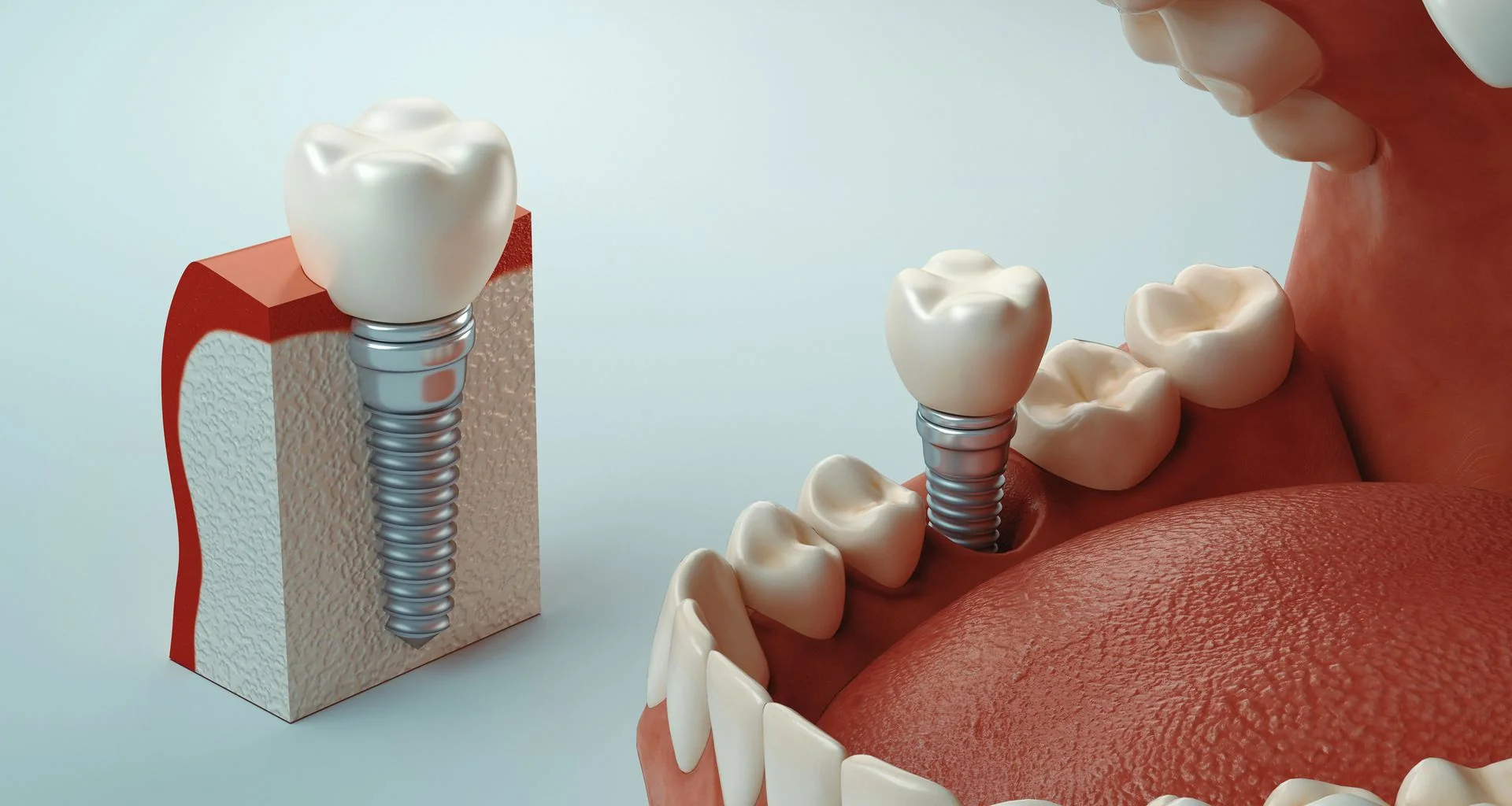
Waiting a few months does not automatically compromise the result
The real risk is waiting for years without knowing how the bone, gums and remaining teeth are changing. In some cases waiting is reasonable; in others future treatment may become more complex.
Bone volume can decrease
After a tooth is lost, the ridge in that area can change and reduce in volume over time. This process is different for every patient and it does not mean an implant becomes impossible after a few months.
But if bone volume decreases substantially, a treatment that might once have been straightforward can require additional procedures.
Depending on the site and the available bone, clinicians may consider:
- bone grafting;
- sinus-floor elevation;
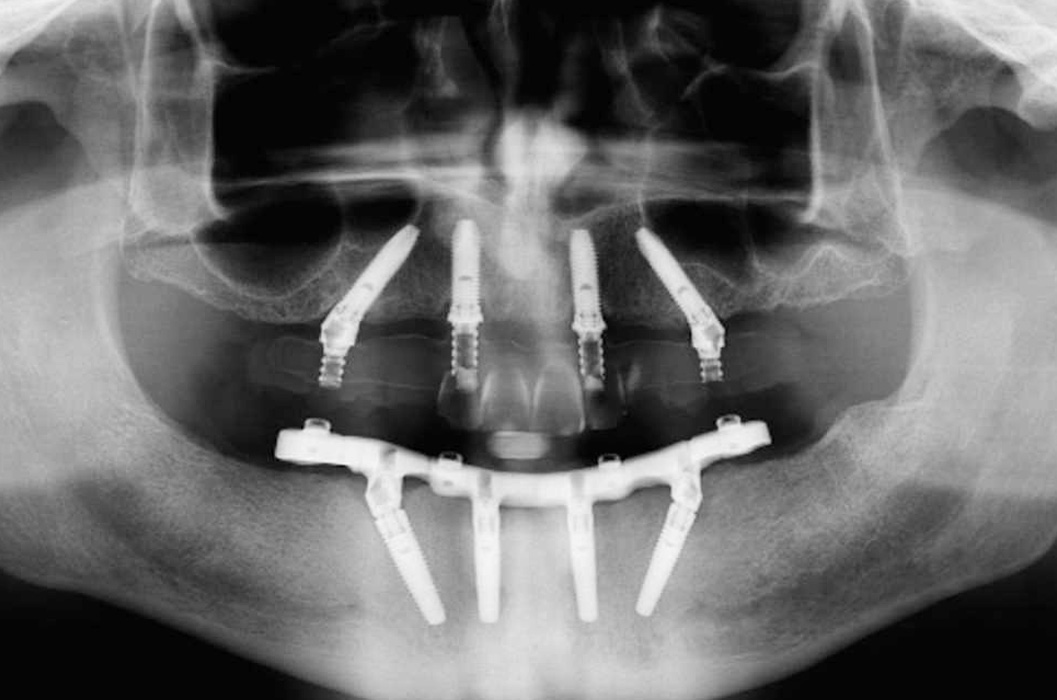
- pterygoid implants;
- in severe maxillary atrophy, zygomatic implants;
- other regenerative or implant approaches indicated by the case.
These procedures can add time, cost and complexity.
Neighbouring teeth can move
When an empty space remains, adjacent teeth can slowly tip or change position. A tooth in the opposite arch that no longer has an antagonist may also change position.
Over time this can alter the bite and make it harder to recreate the correct space for the replacement tooth.
The remaining teeth take more functional load
When one or more teeth are missing, chewing function is shared by fewer teeth. This matters especially when someone starts chewing almost exclusively on one side.
If some teeth are already weakened, mobile or have lost periodontal support, continuing to rely on them as the main support can make the overall situation harder to manage.
Periodontitis can progress without obvious pain
A common mistake is to think: “It does not hurt, so I can wait.”
Periodontitis can progress without prominent pain and can reduce the support around teeth. The decision therefore should not be based on symptoms alone.
A clinical examination, periodontal assessment and radiographs are needed; CBCT is used when indicated for implant planning.
Pain is not a reliable countdown timer
A mouth can worsen without causing much pain. At the same time, not every missing tooth requires an immediate implant. Assessment is what separates those two situations.
A simple solution can become more complex
Two people with the same number of missing teeth may need very different treatments.
The difference depends on:
- bone quantity and quality;
- gum and periodontal health;
- the position and prognosis of the remaining teeth;
- infection or pathology;
- bite and chewing relationships;
- general health and current medication.
Assessing the situation earlier helps clarify whether conventional implants are possible or whether additional procedures may be needed.
Does delaying always mean losing bone?
No. Every case evolves differently and there is no single deadline that applies to everyone.
In some situations it is reasonable to wait and monitor. In others, especially with infection, active periodontitis, mobile teeth or already advanced bone loss, the situation may become harder more quickly.
The goal is not to push you into immediate surgery. It is to understand whether waiting is reasonable in your case or whether it may narrow future options.
When an assessment is useful
You have lost one or more teeth.
Your removable denture moves.
You chew mainly on one side.
You have mobile teeth or frequent gum bleeding.
You have been diagnosed with periodontitis.
You have been told you have insufficient bone.
You have received very different treatment quotes.
You have been postponing treatment for months or years.
Requesting an assessment does not commit you to starting treatment. Its first purpose is to understand the real situation.
The right question is not “can I wait?”
A more useful question is: “What may change in my mouth if I wait?”
Only after reviewing the radiographs, gum health, available bone and remaining teeth can a serious answer be given. Sometimes treatment should be considered sooner; in other cases waiting with periodic monitoring is reasonable.
The important thing is that the decision is informed, not based only on fear, price or the absence of pain.
BEFORE YOU DECIDE
Find out whether you can wait without making treatment more complex
You can request an assessment even if you do not yet have scans. If you already have a panoramic X-ray or CBCT, send it with a short description of your situation. We can organise an initial review with the clinical team and help you understand which teeth need further assessment for preservation, which implant options may be possible, whether the available bone appears adequate and what could change if treatment continues to be delayed.
An online review does not replace a dental examination. Diagnosis and treatment recommendations must be made by a qualified clinician after the necessary assessment.
Explore Tirana Medical guides
Choose the area you are interested in and continue from there.
ITI Consensus: timing of implant placement after extraction and assessment of bone quantity, quality and morphology.
European Federation of Periodontology (EFP): evidence-based patient information on periodontitis, loss of support and maintenance.
Clinical literature on movement of adjacent teeth and overeruption of unopposed teeth after tooth loss.